
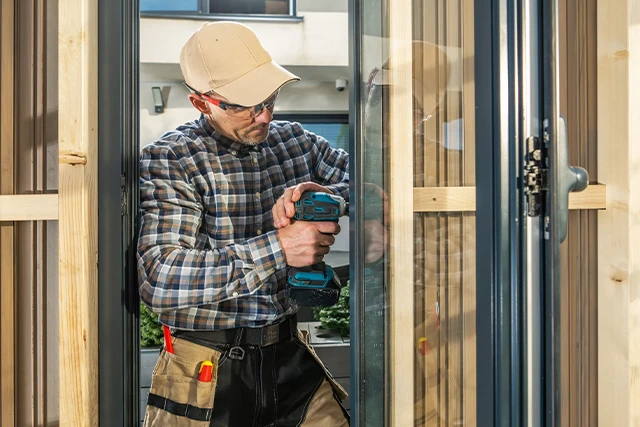
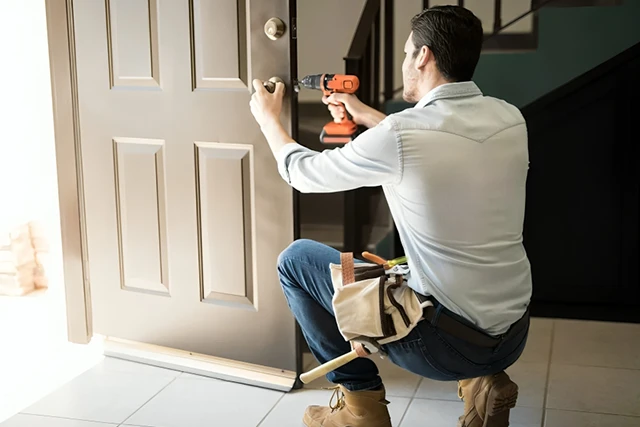
Here’s something most people don’t expect: two identical doors, installed by two different crews, can age completely differently over the years. The door slab itself is a manufactured product — its rating is whatever it is. What’s not standardized is the install. Was the rough opening actually prepped right? Did the sill pan tie into the wall’s weather barrier the way it should have? Was the unit shimmed plumb and square before anyone touched the trim? That’s usually where the real difference between a door that holds up and a door that leaks comes from.
It’s a little like buying a good car and having someone install the engine wrong. The door brand on the label doesn’t end up mattering much if the install underneath it was rushed. We’ve replaced plenty of “defective” doors over the years that turned out to be perfectly good doors installed without a sill pan or with flashing run in the wrong order.
If you’re not sure which category fits your project, it usually comes down to two questions: how much exposure is the door going to get, and how much upkeep are you actually willing to do? A high-traffic commercial entry calls for something tougher than a quiet side door on a residential addition, and a log home with a wood door is going to need attention a fiberglass door simply doesn’t.
A single door replacement usually takes half a day to a full day, including removal of the old unit, flashing, and setting the new one. Multiple doors or a full commercial storefront system take longer depending on the number of openings.
In most cases, yes, if the existing rough opening is in good condition and close to standard size. We'll inspect the framing and flashing during the old door's removal to confirm before quoting a straightforward swap versus a full reframe.
Solid wood typically costs more upfront and requires ongoing maintenance, sealing and refinishing every few years, while fiberglass costs less initially and needs essentially no maintenance beyond occasional repainting. The gap widens over time once wood's upkeep costs are factored in.
Weatherstripping and hardware benefit from an annual check regardless of material, and wood doors specifically need periodic resealing to prevent moisture absorption. Fiberglass and steel doors need far less attention, mostly just occasional repainting or touch-up.
Sometimes. If the door slab itself is undamaged and the problem is isolated to flashing, weatherstripping, or hardware, a repair often makes sense. Water damage that's reached the surrounding framing usually means the opening needs to be addressed as part of the repair, not just the door.
From site preparation to final construction, we create strong homes, business spaces, and property upgrades built for lasting value.
2026 © Comprehensive Construction Services website Developed & Powered by MYAIO


