
Construction projects don’t stop because of concrete or excavation—they often stop because required environmental compliance wasn’t handled correctly.
A Storm Water Pollution Prevention Plan (SWPPP) is more than a document. It’s an active compliance program that protects nearby waterways, satisfies California regulations, and helps prevent costly violations during construction.
CCS prepares and manages SWPPP compliance throughout Amador, Calaveras, El Dorado, Sacramento, and San Joaquin Counties, helping contractors, developers, and property owners keep projects moving without unnecessary interruptions.
Not every construction project requires a SWPPP, but many grading and development projects do.
Projects commonly requiring SWPPP compliance include:
Determining this requirement early helps avoid delays after construction has already begun.
One failed inspection can delay an entire project.
Managing compliance from the beginning is significantly easier than correcting violations after inspectors arrive.
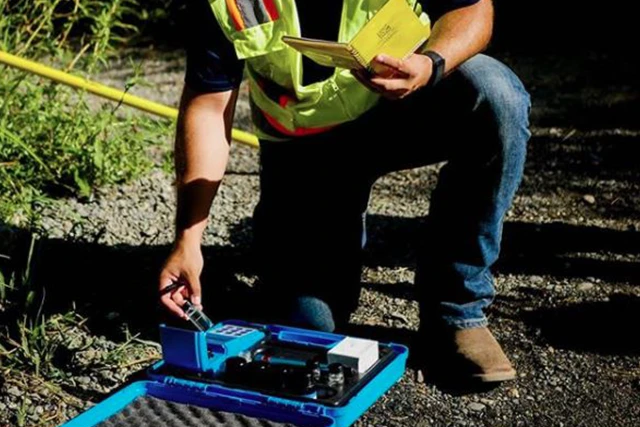
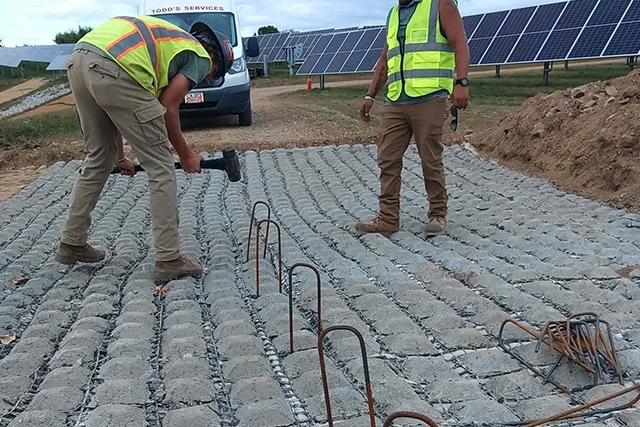
A SWPPP only works when field practices match the written plan. CCS coordinates both. Our team helps ensure erosion control measures remain effective throughout changing site conditions while maintaining the documentation needed to demonstrate compliance.
Many projects begin with excellent erosion control and gradually lose compliance as work progresses.
Maintaining compliance throughout the project—not simply preparing the initial plan—is what helps projects avoid regulatory problems.
If it disturbs roughly one acre or more under California’s Construction General Permit, generally yes. We’ll confirm whether yours triggers the requirement and handle it.
Active sites get inspected, and non-compliance can bring stop-work orders and significant fines. Doing it right from the start is far cheaper.
Best Management Practices — the controls like silt fence, inlet protection, and stabilized entrances that keep sediment on site. We install and maintain them.
Yes. The inspections and recordkeeping that prove ongoing compliance are part of how we run the plan.
At final stabilization — when the site is stabilized so it no longer discharges sediment. We close it out properly.
From site preparation to final construction, we create strong homes, business spaces, and property upgrades built for lasting value.
2026 © Comprehensive Construction Services website Developed & Powered by MYAIO


